
Oil Shocks And The Impacts On Your Retirement
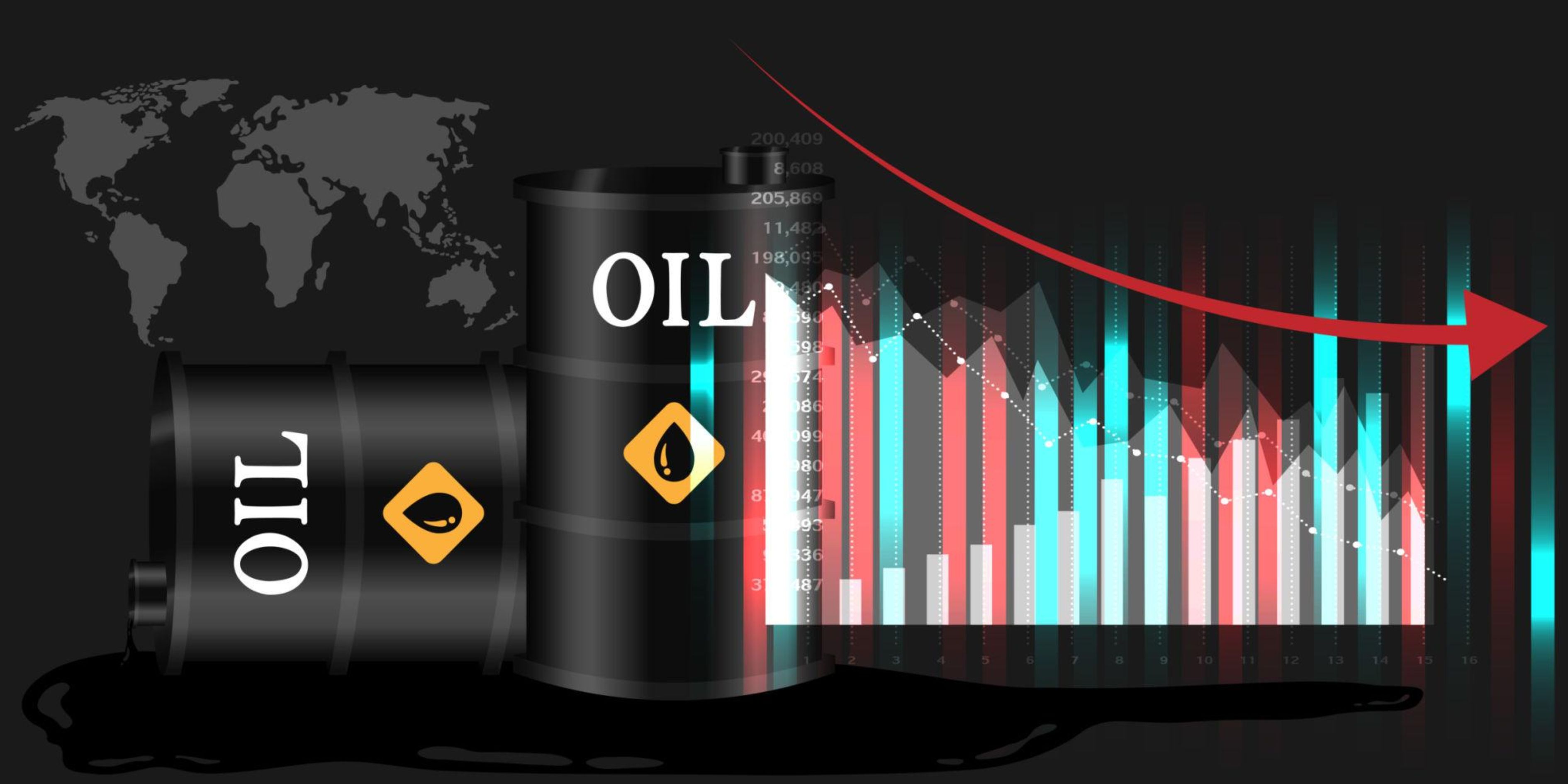
The prevailing attitude I hear commonly about the oil crisis is always in relation to the ‘market’. Economic commentators, journalists and broadcasters seem to obsess on the stock market (or any other market). And while it is a privilege that amidst the threats of a nuclear attack, we pay with our pocket rather than our lives, it’s still the wrong question to ask.
The real question is, what happens to us? What will happen to the economy?
What happens to the lives of people around us not just in the next couple of weeks - but how will this structurally change our lives?
The economy is not the stock market. Markets will dip, but in 6 months it’ll probably recover or stabilize. Whereas the long reaching effects of the oil shocks (and the ones we are soon to experience when* the oil runs out) will be felt by everyday Australians, farmers, businesses and communities for at least a decade.
Why oil shocks suck (and suck for a long time).
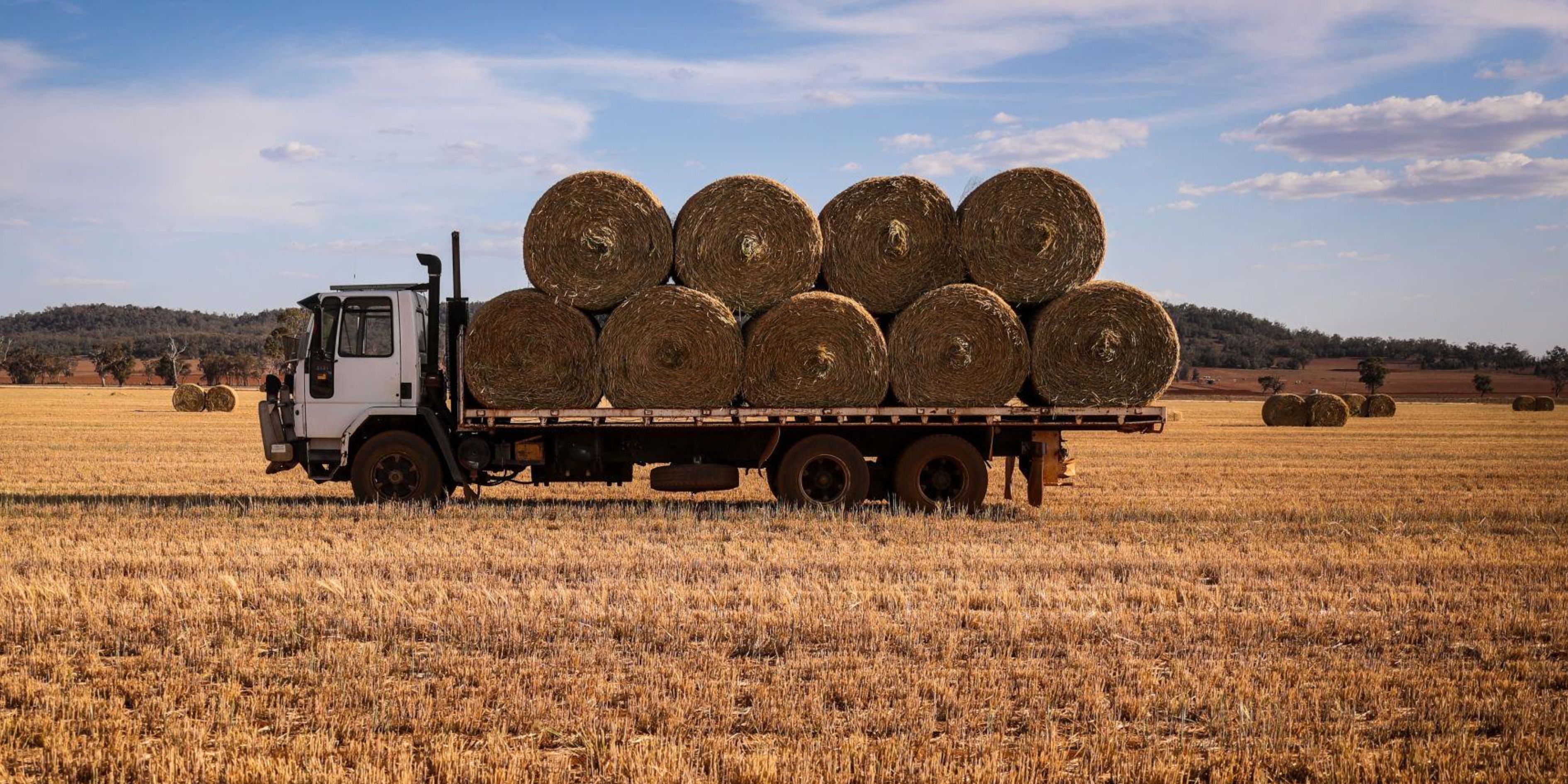
Let’s take one example, the farmer.
Think about it like this, oil goes into our cars, our machinery etc. Australian agriculture is heavily dependent on oil to plough their fields. When the oil stops, farmers can’t farm. And not just for periods when we don’t have oil, but for that entire crop yield, even after the pipes turn on again. Further, if a farmer can’t mend the grounds (because it’s too expensive to run the machinery), the soil degrades, ruining future crop yields.
From the farmers perspective, you’re highly dependent on oil that’s no longer coming into the country, and you don’t when you’ll get some more – so let's make matters personal; what happens to your home loan after a couple of hard years? Years after the initial shock, credit losses seep through to the banks (and insurers). This hurts the bank's balance sheet and for them to survive (and we really hope they do survive), they rebuild the balance sheet by making other products more expensive (i.e. your home loan and your insurance become more expensive) for years.
In this example, I still have not mentioned the ‘elephant in the room’ - grocery shortages and skyrocketing supermarket prices. We saw how people behaved towards one another during the pandemic when toilet paper became a scarce commodity – what happens when the oil runs out and food can’t be stocked on the shelves?
There are many examples like these across the entire economy. In the end, it results in high prices, less jobs and less stability for many years to come.
Why it sucks for retirement planning specifically
Commentators and advisors usually focus on the market – how it performs, whether it’ll bounce the bank and what it means for our retirement balances right now. But again, this is the wrong question to ask. The focus should be on how this will affect how much money you need in retirement because of the oil crisis. The oil crisis causes two main issues
- Cost of living pressures, now.
- When your expenses are rising, job losses are rife, wage growth is slow – it’s harder to save and build up your balance so “compounding” can’t occur.
- Cost of living pressures, future.
- Oil shocks create price changes that last in the system for decades. This means that you need more money to live off in retirement. This means you need a bigger balance (because everything got more expensive).
A third sucker punch is added if you’re planning to retire soon.
- The market has moved against you when you started your retirement – so you have less savings to live on and greater costs to pay.
Back of envelope calculations show someone that:
- Scenario 1 (Someone building up their balance)
- This event can result in them running out of money 4 years earlier than otherwise.
- Scenario 2 (Someone about to retire)
- This event can result in them running out of money 5 years earlier than otherwise.
Now, the above calculations are descriptive and simple in nature – they don’t consider pensions, tax eligibility, debt planning and apply very hard assumptions.
I’m prototyping a tool that will help plan retirements effectively.
If you’re interested, sign up to the waitlist